
Very rarely does a successful garden begin with expensive equipment or an aesthetically pleasing home. It is usually an individual who has planted several seeds and observes the outcomes. This will help them make better decisions next season.
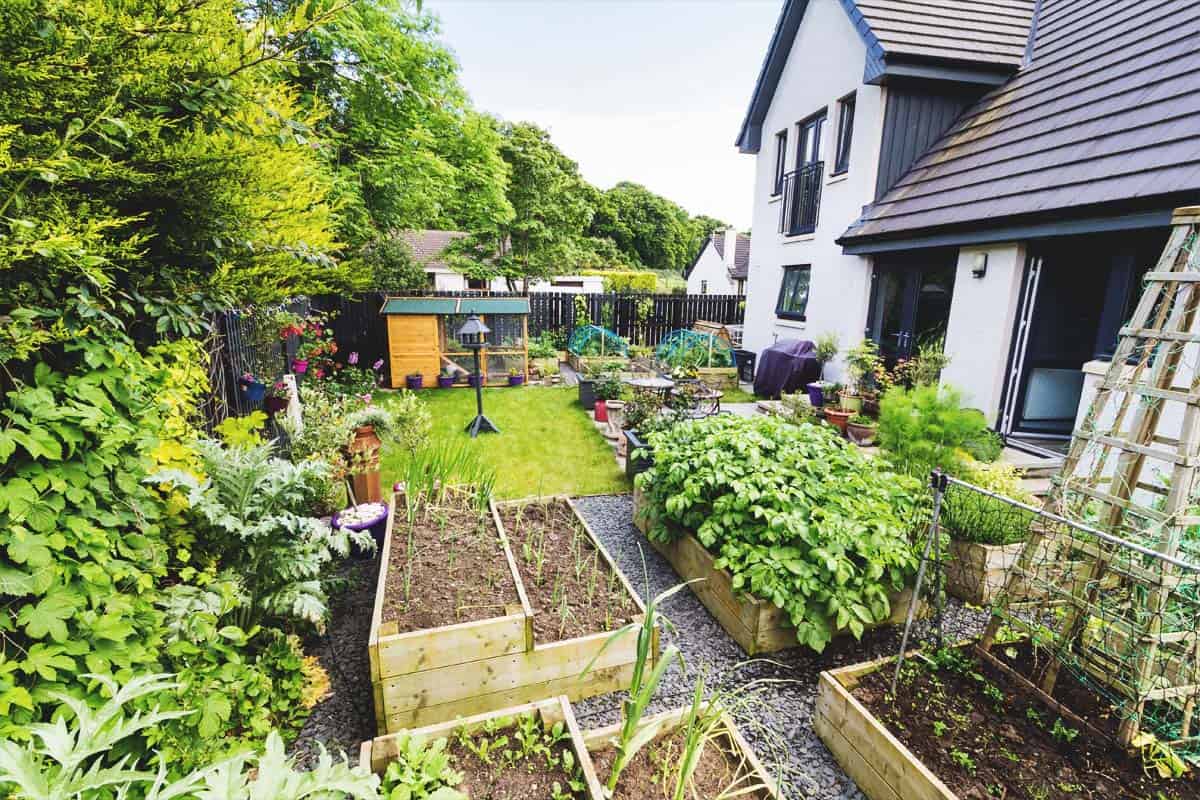
That practical approach is central to The Sproutstead, an informational resource created for people who want to grow food, improve their soil, preserve what they harvest, and develop useful self-sufficiency skills without getting buried in technical language.
Your Garden Has Its Own Set of Conditions
The reason gardening advice can be frustrating is because gardens can’t be interchangeable. A tomato plant in a sunny raised bed in one area may behave very differently from the same tomato grown in soil that is heavy, or with a shorter growing season.
There is more to it than just following instructions to be successful in homesteading and gardening. Gardeners are better off knowing their own conditions: sunlight soil structure, soil structure, rain, temperature, growing season availability of space, the time they are able to devote to maintaining.
The Sproutstead explains the variables in order to let readers to make changes to gardening advice to the typical home, instead of trying recreate an ideal garden.
Vegetable gardening starts below the surface
The plants which appear to be visible attract attention, but a lot of success in a garden is also determined by what’s underneath.
A good soil balance is vital for drainage, moisture retention and nutrients. Composting can improve soil with time, and mulching may save water and slow the growth of the weeds. Being aware of these essentials can make vegetable gardening easier because healthier growing conditions give plants a stronger foundation at the beginning.
Also, planning is important. Plant spacing, crop timing the timing of companion plantings, as well as time of year can all determine how effectively a gardener uses the limited space.
Tomatillos Are a Good Example of Paying Attention
If you ask ten people what they think about tomatoes, they will probably tell a variety of stories. They’re amongst the most well-known cultivars for home gardens, but they also show how different growing conditions work together.
If you’re curious about how you can grow tomatoes successfully, look beyond the depth of your planting and fertilizer schedules. They require sufficient sunlight, constant watering, an appropriate soil with the right spacing and support during their maturation. The selection of varieties is important as the conditions of their growth, the available space and the intended use can affect which tomato is best.
It is not likely to solve the issue simply by the addition of fertiliser. It could be due to high nitrogen levels, low temperatures, lack of sunlight or poor pollination. It is better to observe the entire plant instead of treating each symptom in the same way.
A Harvest Is Just Part of the Story
If half of the vegetables go to waste prior to being eaten, it makes growing twenty pounds of veggies seem less successful. A well-planned home garden system will consider what happens after harvest.
Canning freezing, dehydrating, freezing sharing excess produce and conserving seeds are all ways to assist families in getting the most benefit from their gardens. Backyard chickens can be combined with herbs, fruit trees and composting to make a household system.
It is not necessary to adopt all the practices of homesteading at once. It’s essential to work towards homesteading, whether it’s growing lettuce, building an organic compost pile, or preserving the first tomatoes you harvest.
Gardening can be made easier with the right information
Even the most comprehensive gardening guide cannot guarantee perfect plants. As the weather changes, pests emerge sometimes, seeds fail and recommendations vary by region.
The Sproutstead regards these realities as a fundamental part of the learning process, not as an exception. Through connecting subjects such as soil and seeds, vegetable seed-starting, pesticides, preservatives, backyard chickens, or self-sufficiency, with other topics, such as preservation, backyard poultry, or self sufficiency, readers will slowly learn to cultivate a garden.
It is best to design an efficient garden in like the way plants develop: seasonally, slowly, and with a sturdy foundation.