
Park districts approve funding for the construction of a public restroom. The project team has selected the site, and the structure appears to be in a good location and is set to go ahead.
The contractor is then able to analyze the site. The location chosen has drainage problems. Electricity connections are further away than anticipated. Delivery vehicles may face difficulties reaching the building site and the design of the building may not be compatible with the available space.
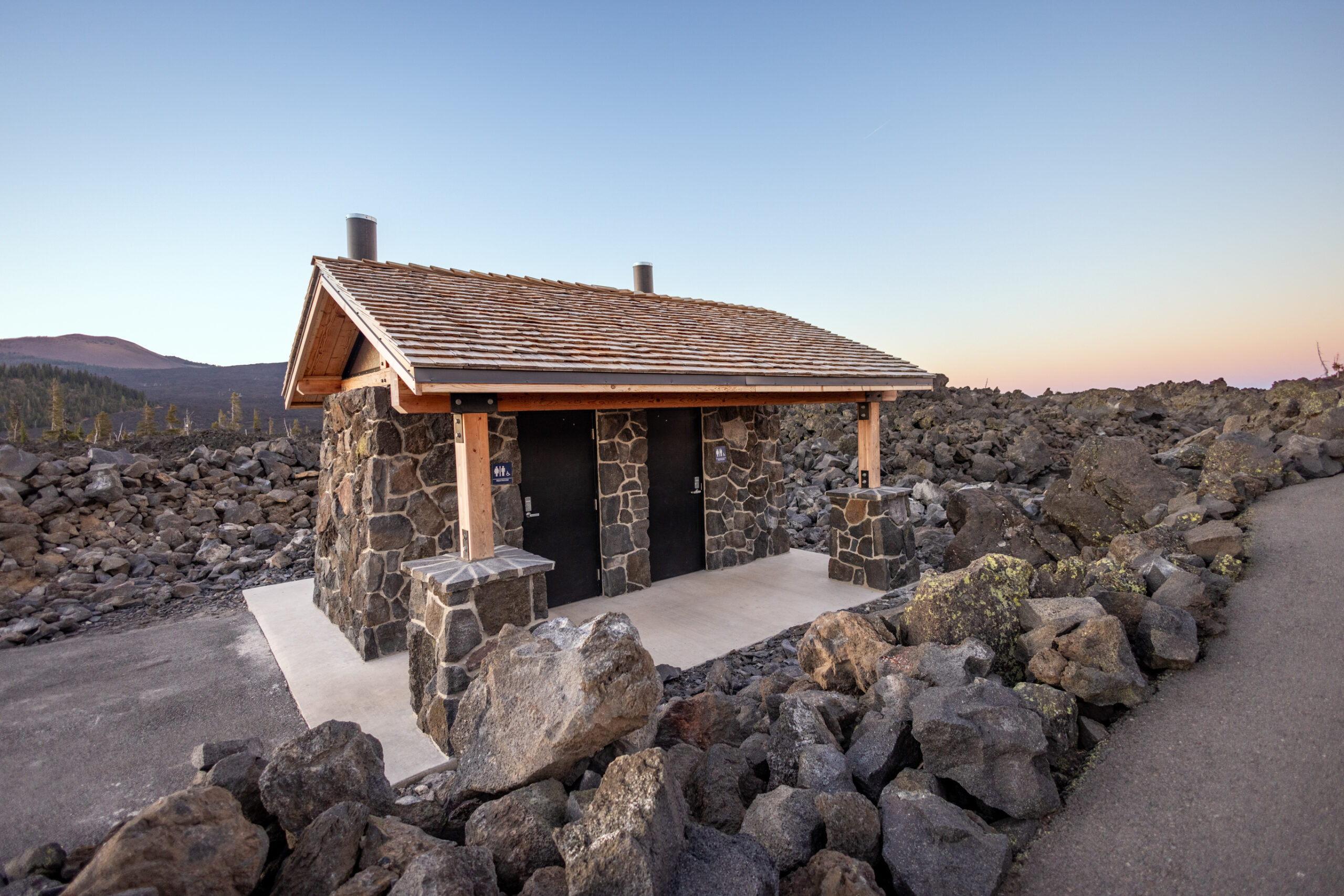
Image credit: romtec.com
These problems do not necessarily mean that the project can’t continue. This can result in redesigns, extra expenses and delays in construction. If the site’s conditions dictate the building’s design from the very beginning it is easier for both builders and public agencies to manage bathroom projects.
Drawings of buildings don’t reveal the entire story
Prior to deciding on parks with prefabricated restrooms the project team must know the property’s capacity to be able to accommodate. The site’s slope and soil condition, drainage and utility availability as well as access to construction could all affect the construction process.
A restroom in a playground, as an example it may require to be connected to the existing infrastructure of sewers and water. If the infrastructure in place is not available, or if it is expensive to upgrade those connections, a new sanitation technique could be needed.
Alongside the codes in force and accessibility standards specific to the site, conditions that are unique to the area must be taken into consideration when determining the base and position of a building. A typical layout for a building may appear acceptable on paper, but it will require substantial changes after the details are analyzed.
Urban Projects have their own construction restrictions
It’s not just about finding a small space to put a restroom on a sidewalk. On sidewalks there are usually underground infrastructure, pedestrian routes, and street furniture. Coordinating construction projects with local authorities may be important.
The location of a bathroom too close to a utility line can complicate foundation or excavation work. Accessibility is another factor to take into consideration. The entrance and the surrounding entrance must satisfy any applicable requirements.
Romtec provides customizable ADA single-user toilet units which include choices for the location of the sinks and doors. These design choices enable teams to take advantage of physical site limitations while planning for practical public use.
Are you without a sewer Connection? Consider the Alternatives
Remote recreation sites pose unique infrastructure challenge. A trailhead might be some distance away from the closest sewer, which renders flushing toilets impractical.
In appropriate locations, vault toilets provide a waterless alternative. Instead of transporting wastewater into a sewer system they collect the waste and store it in a holding chamber that must be cleaned on a regular basis.
But, deciding to use vault toilets won’t be enough to make it easier to plan the site. The project must be built in suitable terrain, access to the equipment for servicing safely, adequate ventilation and respect for environmental regulations.
Romtec creates vault toilets that are water-free and feature its Sweet-Smelling Technology (SST), which is intended to manage the odors by allowing ventilation. When you have a remote property, choosing the sanitation system early can help prevent costly changes to the building design later.
Construction Coordination Begins Prior to Delivery
The most common misconception regarding prefabricated structures is that the majority of decision-making decisions for projects are already taken by the manufacturers. In reality, the site preparation the foundation, requirements for foundations, utility connections accessibility, as well as local approvals require coordination. Romtec tackles these issues with customizable building kits and design services instead of relying on fixed, one-size-fits-all structures.
The firm works closely with landscape architects, project owners and contractors to align building specifications to site requirements. This approach can be especially advantageous when a bathroom needs to match an existing architectural style or meet the unique requirements of a property.
The most effective questions are ones that will lead to more successful projects
Owners must decide how utilities will be delivered to the structure, which construction equipment can access the site and what approvals are needed prior to purchasing restrooms.
They must also be aware of whether the chosen sanitation system is suitable for the anticipated number of visitors, and whether the building can be installed without significant changes to the surrounding infrastructure.
These issues may not be as appealing than selecting architectural or exterior finishes, but they can impact more on project cost and scheduling.
A successful public restroom construction doesn’t mean delivering an building on time. The structure, the site infrastructure, the construction process, and the intended usage are all considered. The bathroom that is finished will be more effective when these decisions are made in advance.