
For a long time edge computing was thought of as an expensive and complicated technology that was typically reserved for large businesses that had specialized hardware. In the present, this perception is shifting. Companies in the UK are realizing that adaptable and cost-effective systems can deliver impressive results with minimal complexity.
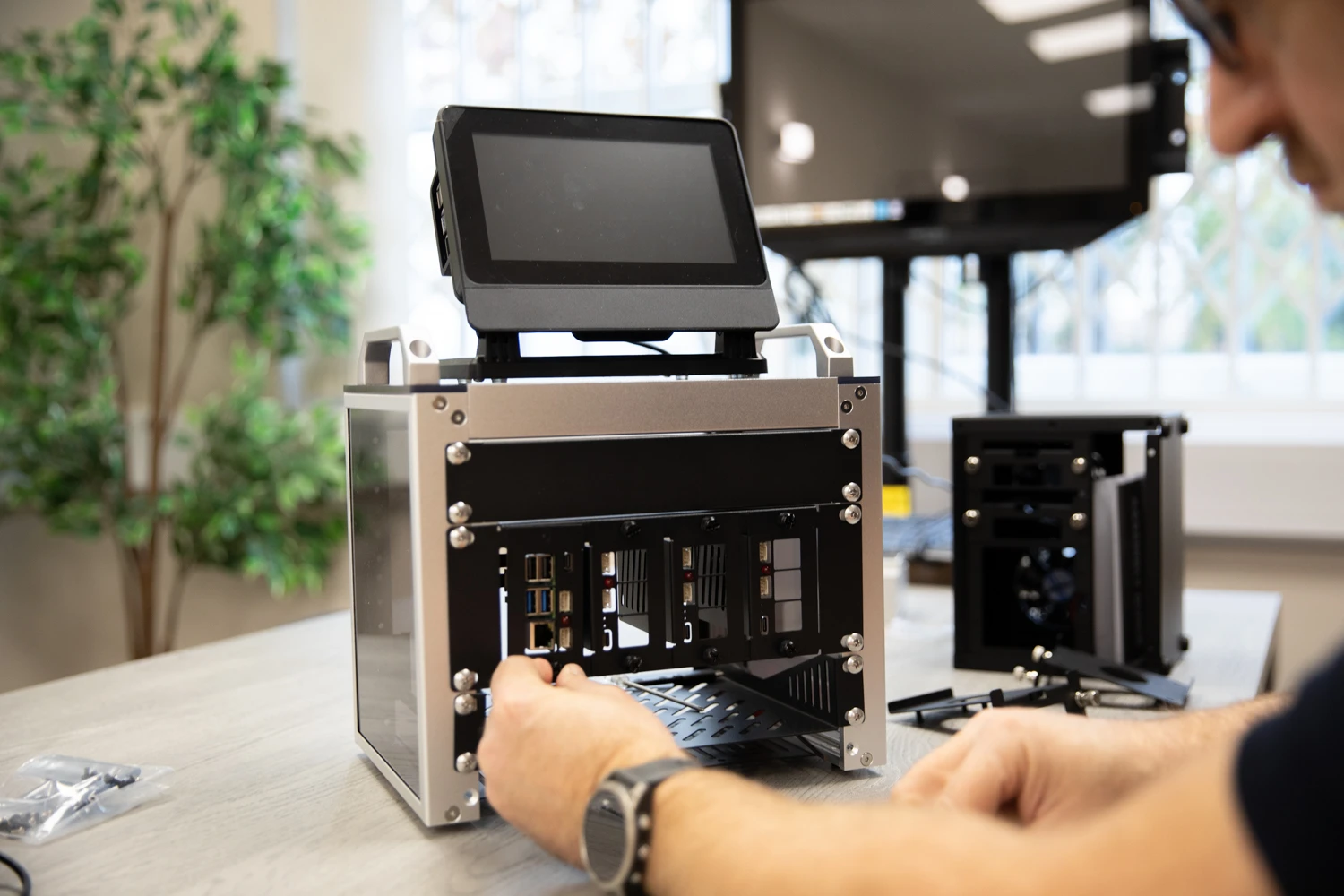
At the center of this change is the rise of platforms that blend ease of use with scalability. An edge computing solution UK companies can rely on now looks very different from traditional setups. Organizations are shifting processing from central data centres closer to the data source.
This latest shift speeds up speed, speeds up processing and allows for real time decision-making.
From Small Devices to Enterprise Systems
The Raspberry Pi’s image as a tool for education has been drastically transformed. What was once considered a device for the hobbyist is now being used for real-world infrastructure for industries like manufacturing logistic, smart environment, logistics and much more.
Businesses can turn an individual device, such as ScalerPi into a coordinated larger system using platforms like ScalerPi. The Raspberry Pi cluster model for production allows multiple units to be connected and create a distributed system that is able to handle the most complex workloads.
This allows you to increase the size of a prototype to thousands connected devices working in harmony.
Kubernetes at the Edge
Modern infrastructure relies on orchestration tools and containers. Kubernetes is a popular tool for managing the environments. However, operating it on the edge brings new issues.
On-premises kubernetes solutions allow you to manage your environment, while also enjoying the flexibility that container orchestration provides. Instead of relying solely on cloud service providers, companies can install and manage systems locally.
This balance lets organizations adapt their infrastructure to particular operational needs. ScalerPi can bridge the gap by combining hardware knowledge with modern software techniques, making sophisticated deployments easier to access.
Why Data Sovereignty Gains importance
As regulations for data become more complex, businesses are paying closer attention to how their data is being stored and processed. In many cases using cloud providers that are not internal providers raises questions about the compliance and security of data.
A cloud that is sovereign UK businesses can adopt allows you to keep data within national boundaries while ensuring high performance. This solution makes sure that sensitive data remains secure and compliant with local laws.
Companies can gain flexibility and accountability through the integration of edge computing into the infrastructure of sovereign institutions. The data is processed closer to the source, while it is managed in a controlled environment.
Simple Installations for Complex Systems
One of the biggest challenges in edge computing is managing large quantities of devices. As deployments grow, maintaining the same security, consistency and performance becomes more difficult.
ScalerPi tackles this by providing an all-stack solution that incorporates hardware supply, device management and support. The integrated model streamlines the process and allows teams to focus on their application rather than the infrastructure.
Edge computing solutions that UK businesses can rely on should not require constant intervention. Instead, it should provide instruments that automatize procedures, track performance, and ensure reliability across all devices.
Building Systems That Scale With Trust
Planning is essential for scaling from a prototype to full production. Each step presents new challenges, from the selection of hardware to software integration, and continual maintenance.
By creating a standardized framework for growth, using a Raspberry Pi production cluster use strategy can make this move more simple. Businesses can grow at their own speed by adding devices or making adjustments without disrupting the existing system.
This flexibility is crucial for businesses that are trying out new technologies or entering new markets.
Future driven by flexibility and Control
The future of infrastructure is moving toward systems that are open that are flexible, flexible, and efficient. Businesses do not would like to be tied down by rigid systems that restrict their ability to innovate.
Tools like a kubernetes hosted solution and a UK sovereign cloud service give organizations greater control over the operations and data. In conjunction with the scalability afforded by Raspberry Pi clusters, these technologies can provide the foundation for a long-term, sustainable success.
Edge Innovation: Moving Forward by using Edge Innovation
Edge computing has emerged as an effective solution to many of the issues we face today. Combining affordable hardware with modern software, companies are able to build systems that are effective and powerful.
ScalerPi helps businesses bridge the gap that exists between physical and cloud-based technology. Through a carefully designed and dependable deployment, it makes edge computing accessible to enterprises of all sizes.
As companies continue to study the potential of distributed computing Their success will be determined by their capability to scale securely and effectively.